

How to Choose the Best Small Built in Microwave
A microwave that is placed in cabinetry, or beneath the counter, frees up valuable space and creates a seamless kitchen appearance. It's also simple to set at a height that is comfortable and close to other kitchen appliances, like an oven that is wall mounted.
Choose from a variety of door designs. They include swingouts that are left-to-right or drop-down doors that open in the same manner as a cabinet drawer. Consider other features, too.
Capacity
Microwaves are available in a broad range of capacities and sizes that will fit any kitchen. Shop for countertop, compact and low-profile microwaves as well as built-in models to find one that is suitable for your space. These models help streamline mealtimes with features like sensor cooking and a slim trim kit that can save counter space. Certain models also come with an adjustable turntable that makes loading and unloading dishes easier.
When you shop, think about the size of your family and whether you'll be using the microwave to cook larger serving dishes like platters or casseroles. Look for a microwave with more capacity to handle these larger items. For example the 2.2-cubic foot model from Frigidaire offers enough space to accommodate large plates and dinner plates.
The power level is another important factor to consider when selecting a microwave. Select models with a higher wattage to cook food faster and more evenly. Some microwaves offer different power levels, which allows you to alter the amount of heat produced based on what you're cooking.
The dimensions of microwaves vary based on the type, and typically include exterior width, height and depth, as well as the capacity inside. The dimensions of the exterior can be helpful when shopping as they provide an idea of what to expect. The capacity of the interior of each model is listed separately and can help in determining the right model for your home.
The inside of a tiny built-in microwave will vary between models. However, most models will have a diameter of about 24 inches when the door is shut. The widths can be a bit smaller to be able to match standard cabinet cutout sizes and are in line with models that are over-the-range. Height and depth vary between models, however all microwaves must be set at least 12 inches higher than the stove to allow ventilation.
Find the area where you would like to install the microwave and remove any obstructions. Make sure you leave at least 1 inch space between the wall and the microwave to allow for air circulation and 3 inches of space between the countertop's edge and the doorway to avoid tipping.
Design
When deciding on the best small built in microwave, it is essential to think about the overall kitchen design and how the appliance will fit into the space. There are many ways to integrate the appliance into the kitchen, including mounting it on the wall, placing it underneath the counter in a drawer-style arrangement, or even recessed into cabinetry. The appliance will blend in better with other kitchen appliances, resulting in a seamless look.
The right door style is a crucial aspect to consider. Many microwave models offer doors that swing left-to-right dropping doors, drop-down doors, or an open drawer. These options allow users of any height to access the appliance and can save valuable countertop space. Certain microwaves are equipped with a variety of high-end features to give the kitchen a more luxurious look.
It is also essential to keep in mind the amount of wattage that is required to cook certain meals. Most microwaves will have a power rating in the back of the unit. A model that has more watts allows for quicker cooking and heating. While there are a few models available with lower wattage ratings for those who want a more energy-efficient option It is important to keep in mind that these models typically take longer to cook and heat foods.
Installing a small microwave into an existing cabinet is among the easiest ways to incorporate it. These types of microwaves are available at a wide range of prices, but they generally sit flush with the cabinet with an attractive, integrated look. It is important to read the instruction manual and owner's guide for the microwave you're considering.
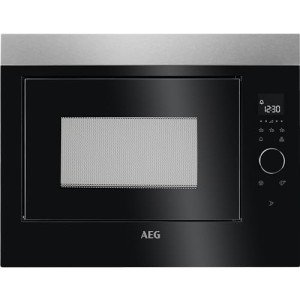
Another option is to place the microwave on the wall, like in a pantry or nook. This can create a clean sleek appearance that will help open the kitchen. A professional Kitchen Designer will collaborate with homeowners to determine the most suitable location. built in microwave black is essential to remember that the microwave needs to have enough air space on both sides as well as the back to perform properly.
Power
Microwaves are a versatile kitchen appliance that can carry out various tasks quickly and easily. The power of a microwave is measured in watts. This can affect the speed at which food is cooked. In general, higher wattage models will heat food quicker and more effectively than lower wattage models.
Unlike freestanding microwaves, built-in models are installed in your kitchen's cabinets and this provides them with a sleek look that seamlessly blends with the other appliances and space. You can also find built-in microwaves that require less space and have enough space to accommodate large glasses and dishes.
You can also choose from a variety of control options to make cooking and warming food more comfortable and less time-consuming. You can select models that feature sensor-cooking to make mealtimes even easier. Other features include doors that can be opened with a tap and a sleek, slim design that makes them easier to fit into tight spaces.
Installation
Microwaves that are built into cabinets and island structures provide a sleek look that removes the appliance from your counters, thereby freeing up valuable counter space. These types of microwaves generally require professional installation however they do allow you to be creative in the layout of your kitchen. They also require less space than freestanding microwaves, making them easier to fit into small spaces or corners.
Before installing your new microwave, you should consult the instructions of the manufacturer for the model you choose. This should give you information about how much space is needed for ventilation as well as what materials and tools are needed to make the installation successful. Depending on the type of your home, the electrical system may have to be modified. If you intend to install the system yourself, switch off the power to your home before starting work.
The first step is to prepare the cabinet space by removing any decorative trim that might interfere with placing your microwave properly. Make sure the countertop is clean and there aren't other appliances around. Utilize a stud finder to locate wall studs underneath the cabinet where you plan to install the microwave. You can also tap the wall with a hammer in order to locate studs; when you hear a sound that is solid then you've found the wall stud. Once you've located the wall studs with a pencil and a level, you can use a ruler to mark them. If your microwave came with an old-fashioned cardboard template, place it over the upper cabinet, to serve as a guide to drill holes for the mounting plate.
Most microwaves that are designed to be installed in cabinets or recessed areas come with venting systems that work with enclosed spaces. They will explain what to do for proper venting, such as elevating your unit by a few inches, or routing the ventilation tubes through an exterior wall, cabinet or island.
When installing a built-in microwave, have an assistant hold the appliance in place while you attach it to the wall. Screws that can support the weight of the microwave are recommended, such as lag screws (also called toggle bolts). Attach the mounting plate to the wall with these and snake the power cord through a hole drilled for this purpose.